
The origins of Wes Custom Kicks date back to 2008, six years before the business was officially founded. For an elementary school art competition, I took paint pens to a pair of knockoff sneakers from the local swap meet. Despite being well received, my piece was disqualified from advancing because it was three-dimensional.
Mother’s Day 2014 saw my first attempt at a properly painted pair of shoes, a gift for my mom. Looking back now, it was an aggressive design, but the execution and love poured into them made for a happy customer (though bias may have played a role…).
That June saw my first attempt at cleats, wanting to match my New Balance 3000 cleats to my travel ball team’s uniform by adding some red detailing to the navy blue cleats.
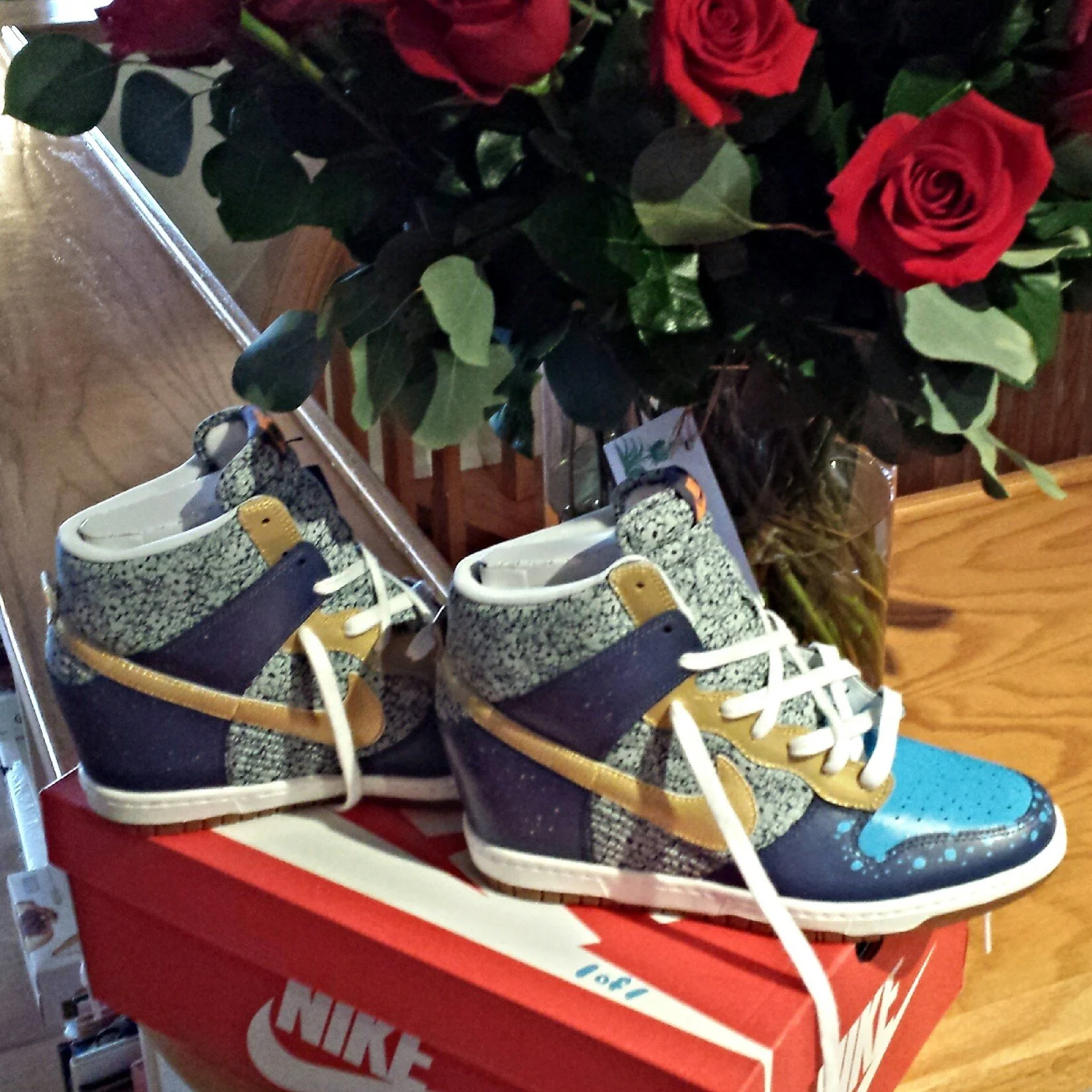
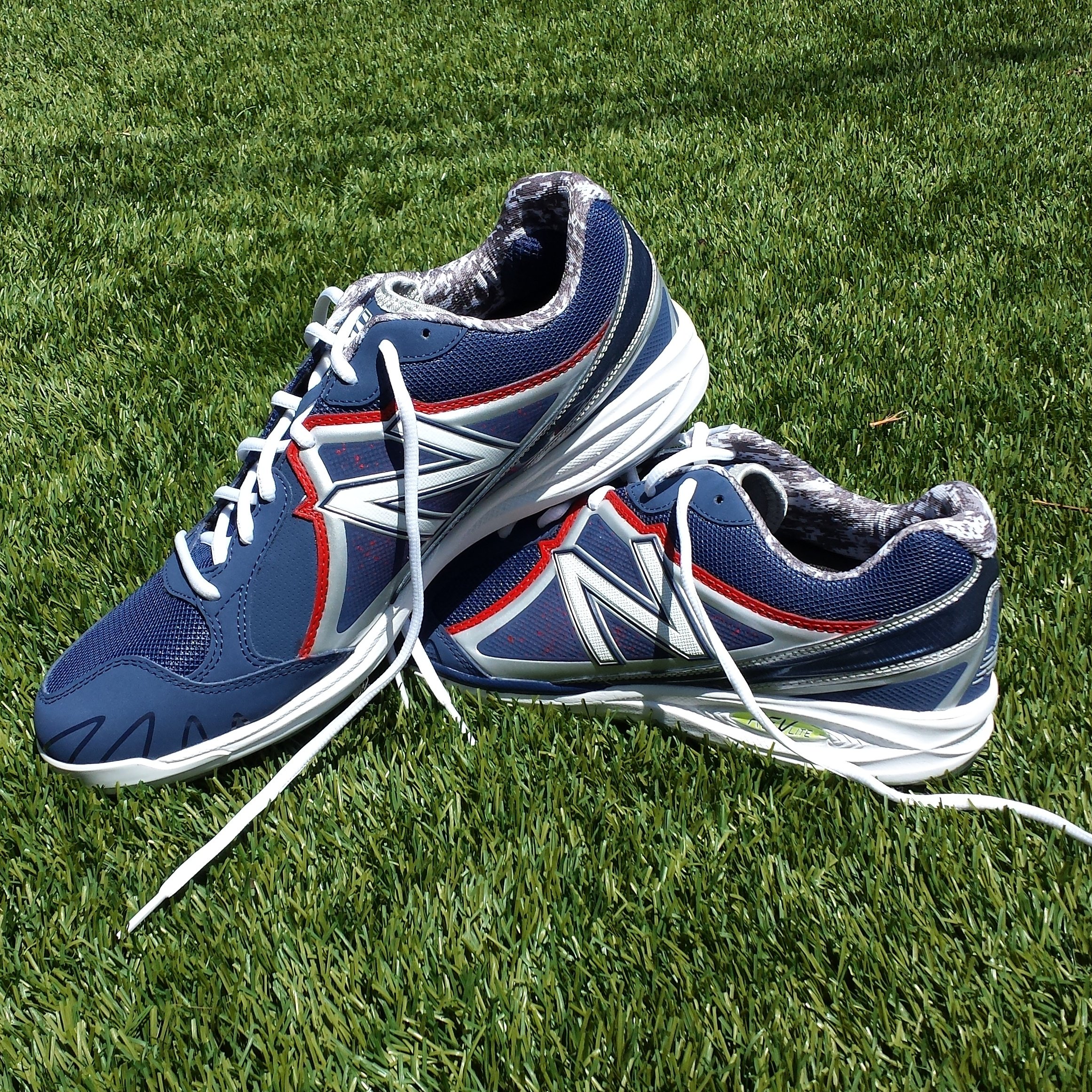
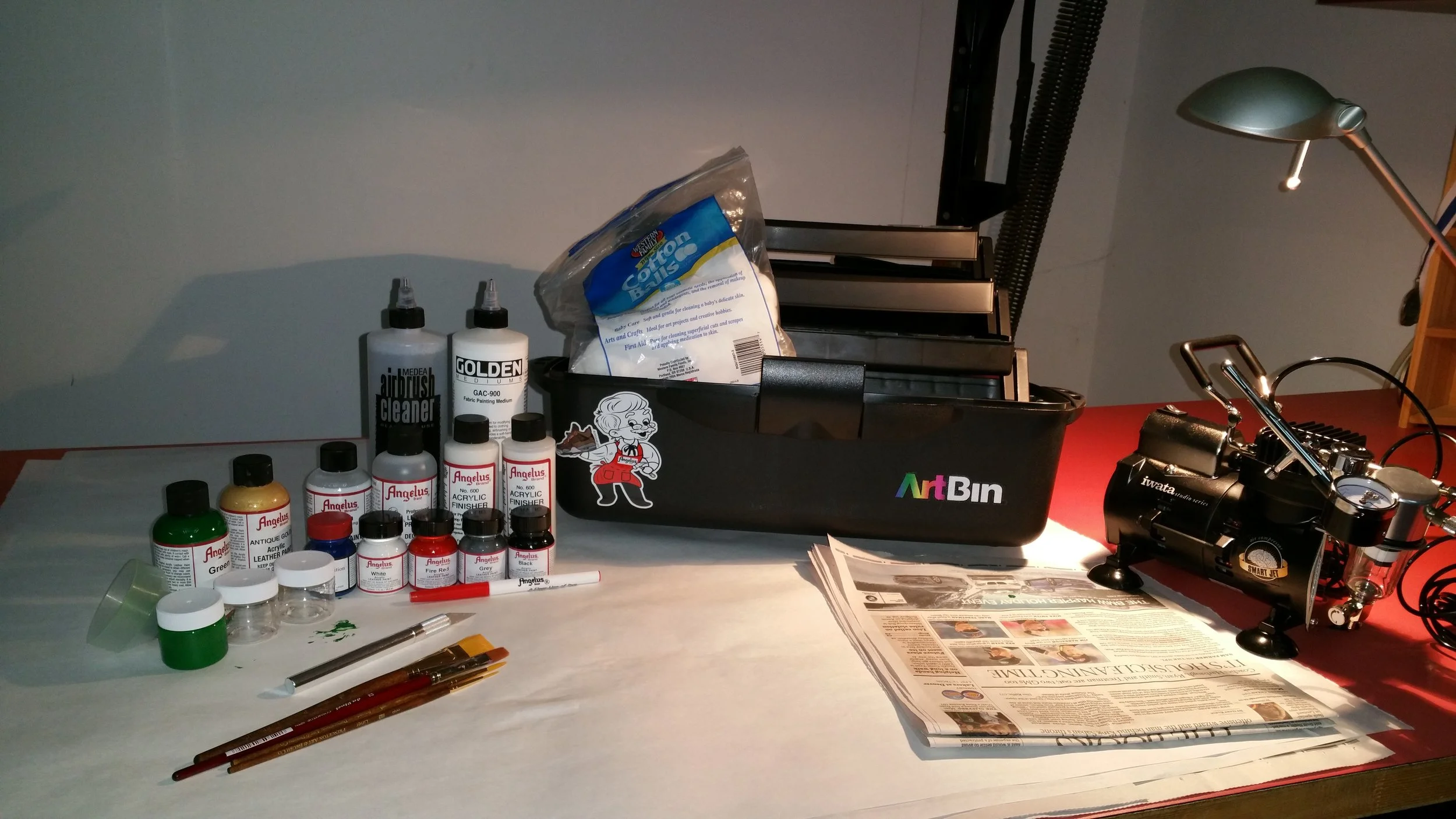
December 2014 saw the proper founding of Wes Custom Kicks, crossing the line of demarcation from hobby to business. I received a $500 start-up loan from my mother, and got to work assembling a stocked workshop in our garage. @WesCustomKicks was secured on Instagram.
January 2015 saw my first paid (well, intended to be paid) gig, a friend of mine from school who commissioned me to bring his thrashed New Balance 574 back to life. I recall quoting $50 for the rejuvenation and customization, and upon delivery of the finished product, I went home unpaid. I think at some point I ended up with a few bucks for my troubles, but the experience and lessons I had learned from that transaction outvalued the monetary compensation thousandfold.
I had to think bigger.
April 2015 brought an Instagram-based, March Madness-style custom sneaker competition with a cash prize for the winner. More than the small-potatoes cash prize, this was my opportunity to start to make a name in the industry.
I reached out to The Edition Boutique (TEB), a now-closed sneaker boutique in South Florida, with my eyes on securing a base sneaker for the competition. TEB at the time was one of the only retailers in the US selling Li-Ning, then headlined by Dwyane Wade. My pitch was simple - if you supply the base shoe, I will help design and subsequently execute a 1 of 1 Way of Wade sneaker, images of which will be entered into this competition. Both sides would promote it, it would promote the store, promote my abilities, and the owner walked away with a custom product sans cost. Win-Win-Win.
While the Florida Marlins-themed throwback Li-Ning Way of Wade 2s didn’t make it far in the competition - owing, according to the judges, to the lack of complexity in the design - the social media campaign worked exactly as I had hoped. My product, and story, had attracted attention in the custom sneaker space, and Wes Custom Kicks began turning a profit.
After a handful of sneaker projects, experience gained, product improved, youthful exuberance alive and well, I was struck with a thought: I’m going to get my product in the big leagues.
Having grown up in Los Angeles, the Dodgers were the obvious choice. No character in the clubhouse seemed a better fit than charismatic first-year Dodger Enrique “Kike” Hernandez. He was young, magnetic, and seemed accessible on social media.
July saw me fire off an Instagram DM to Kike, offering to paint a pair of cleats free of charge. A few days later, during the All-Star Break, a response.
“Ok”
Logistics and design chatter ensued, culminating in a meeting at Dodger Stadium to pick up the base cleats and finalize the design.
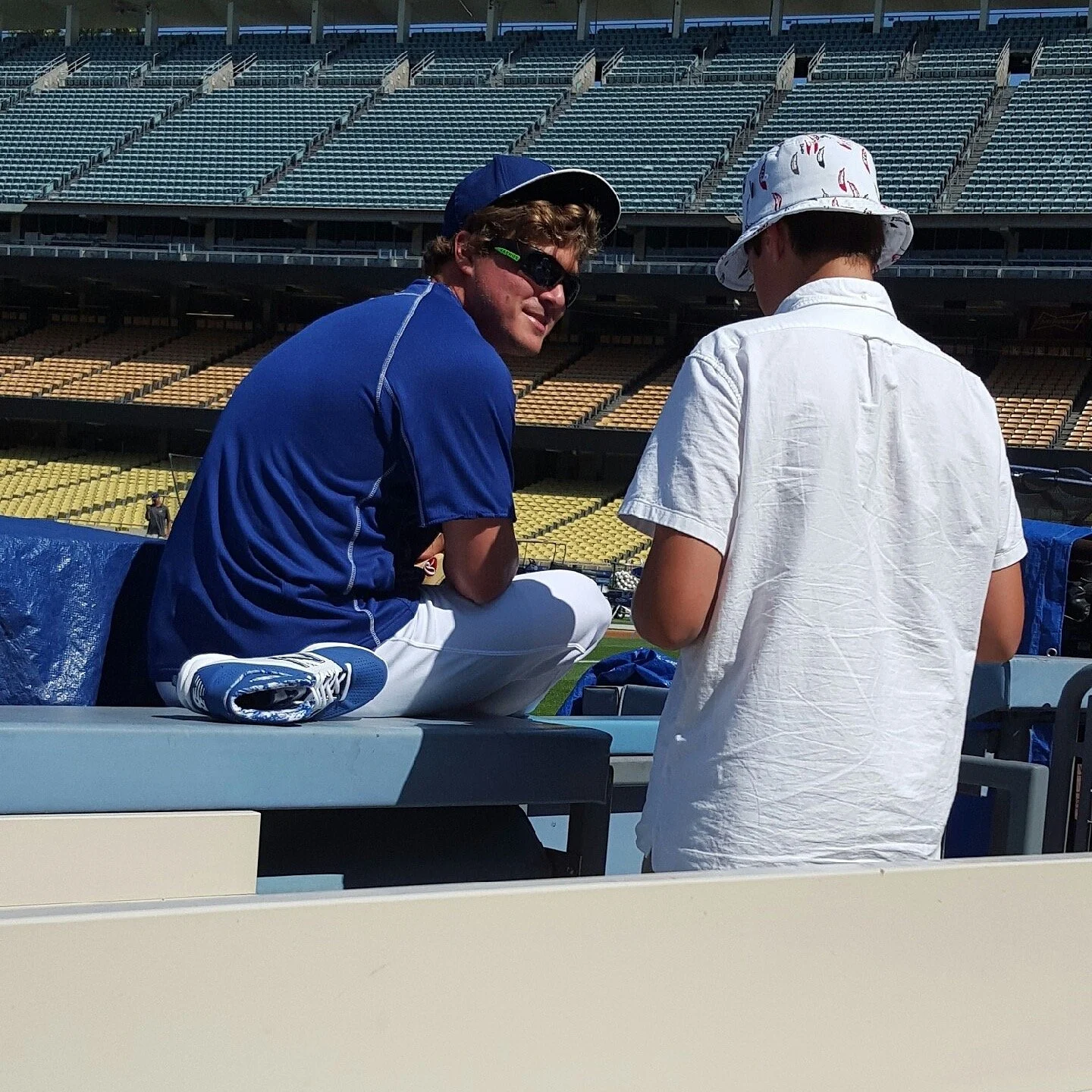
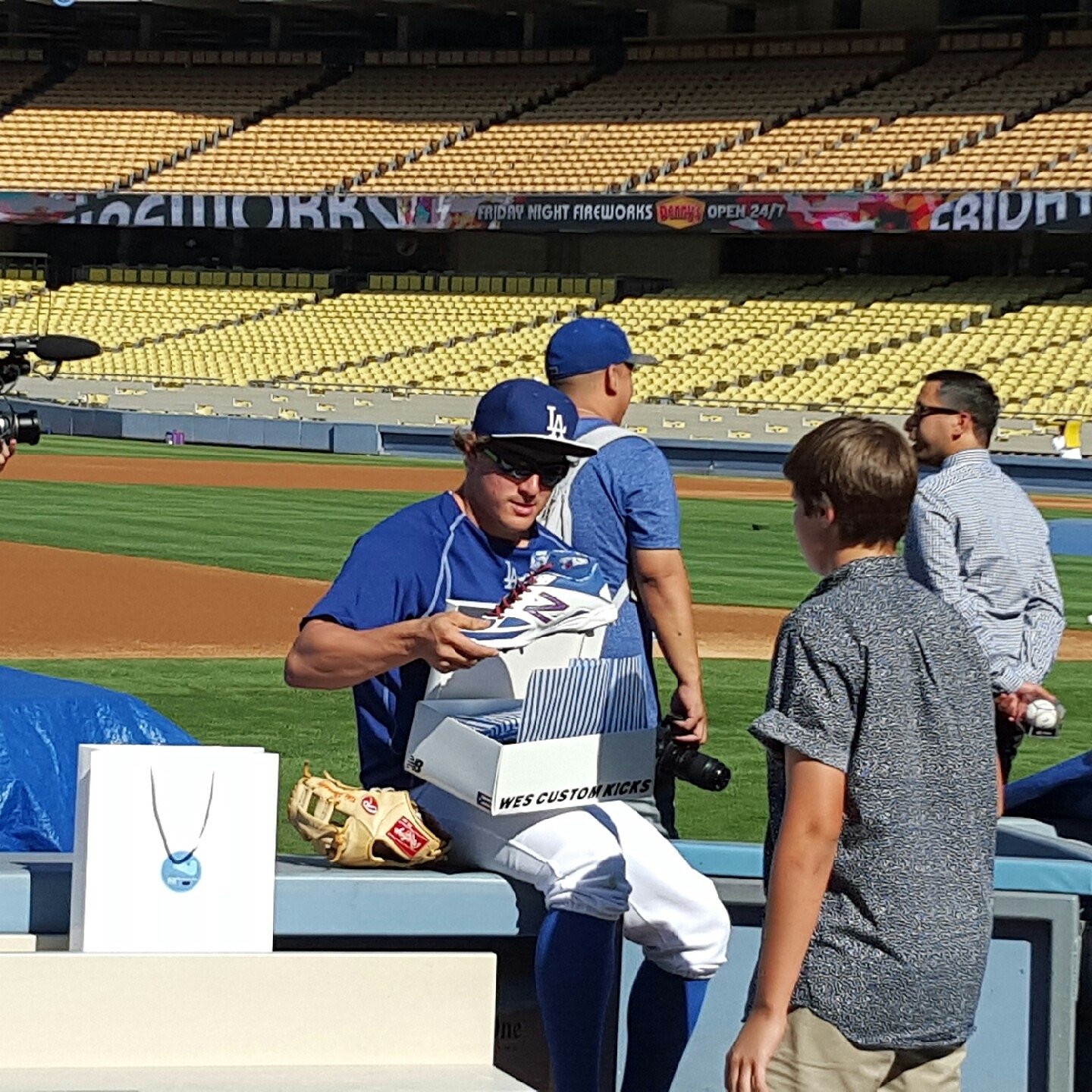
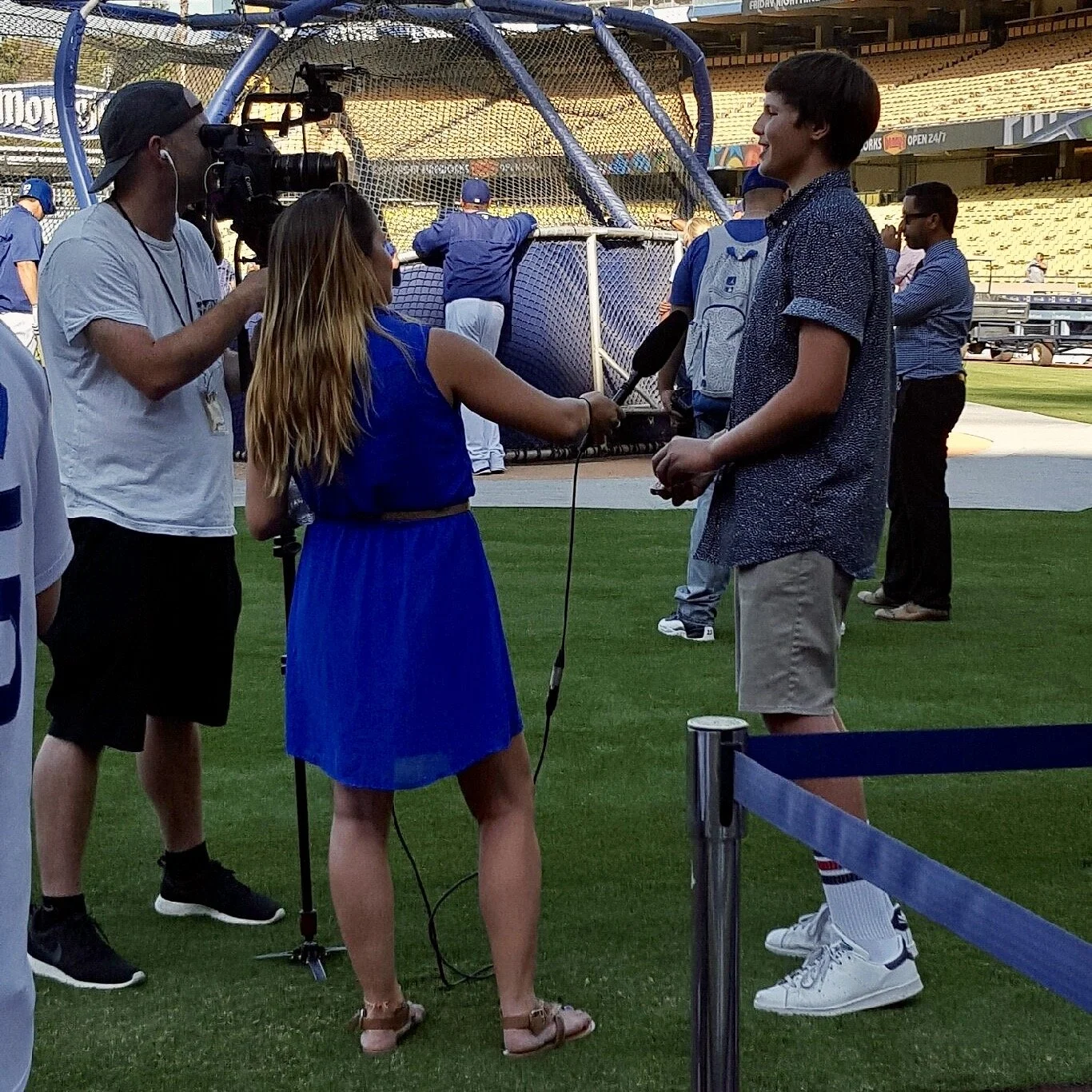
Two weeks later, I returned to Dodger Stadium with cleats in tow. Not only did Kike love the finished product and commission another couple pairs, but the delivery caught the attention of both the Dodgers social team and the Sportsnet LA team, who wanted to produce a segment highlighting WCK for their show Dodgers Clubhouse.
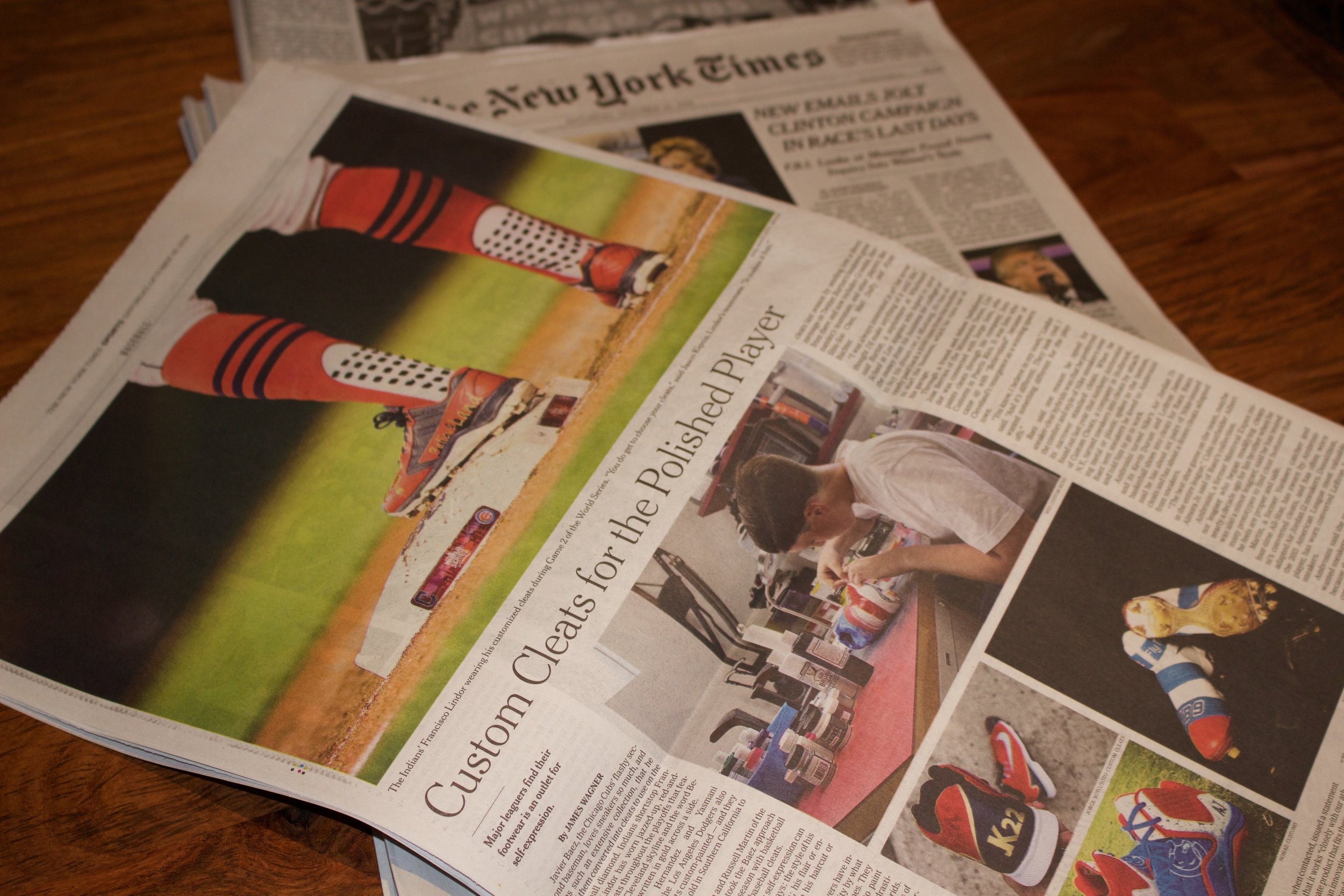
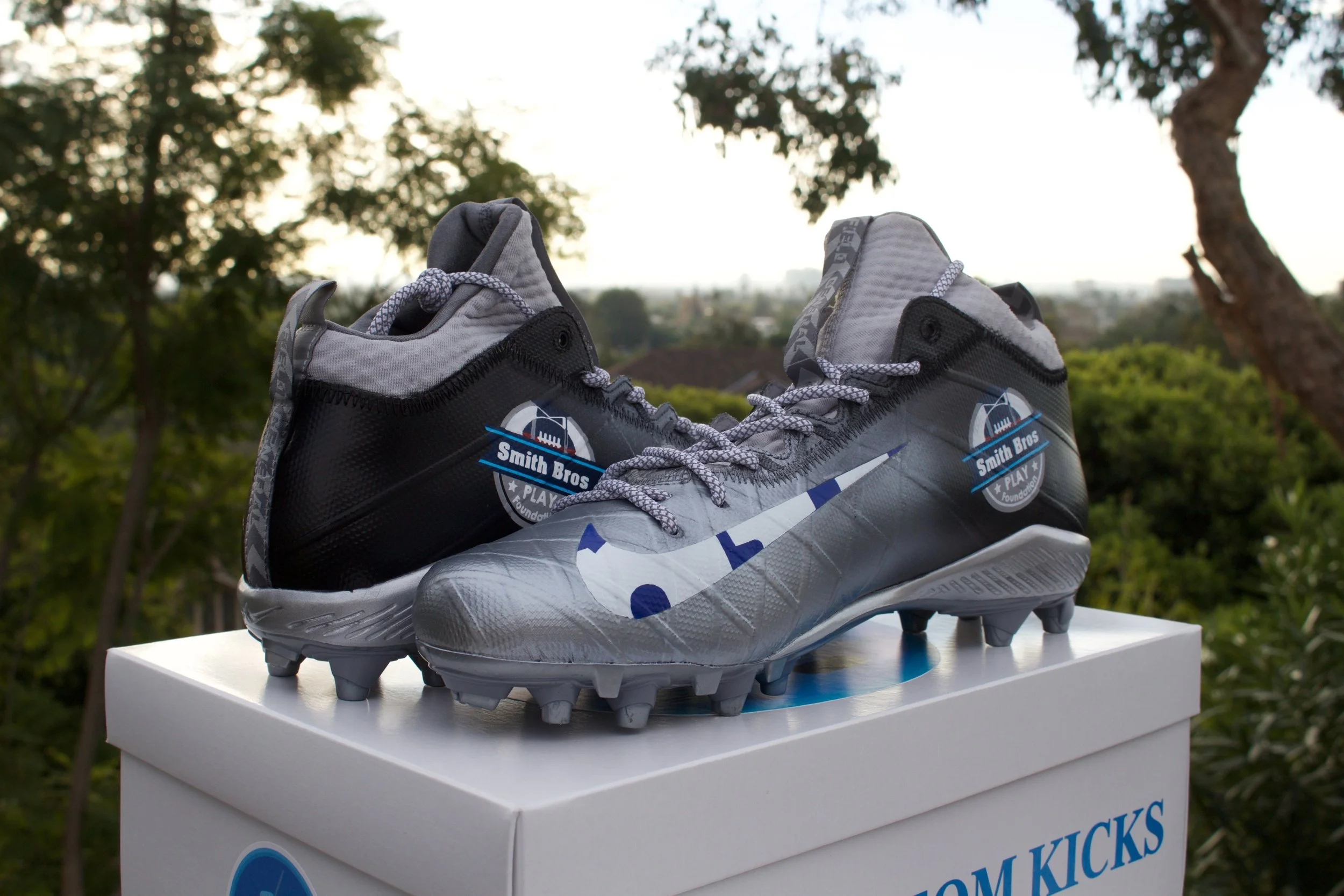
From that point, WCK took off like wildfire on social media and through clubhouse word of mouth. By the end of the 2016 season, WCK’s big league roster had grown to double digits, with expansion into the NFL through Malcolm Smith honoring his Smith Bros Play Foundation during the NFL’s My Cause, My Cleats week. October 2016 saw WCK featured in the New York Times.
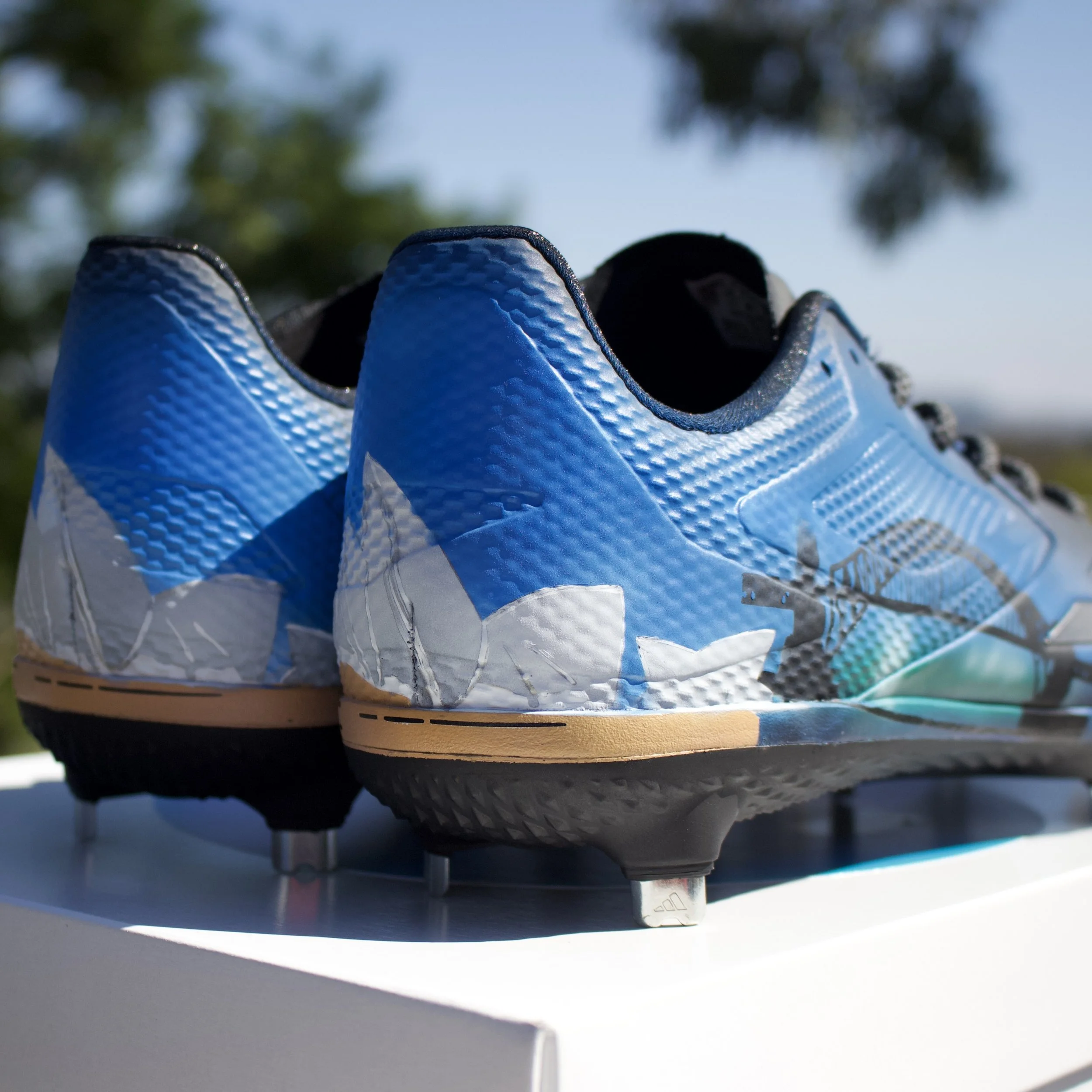
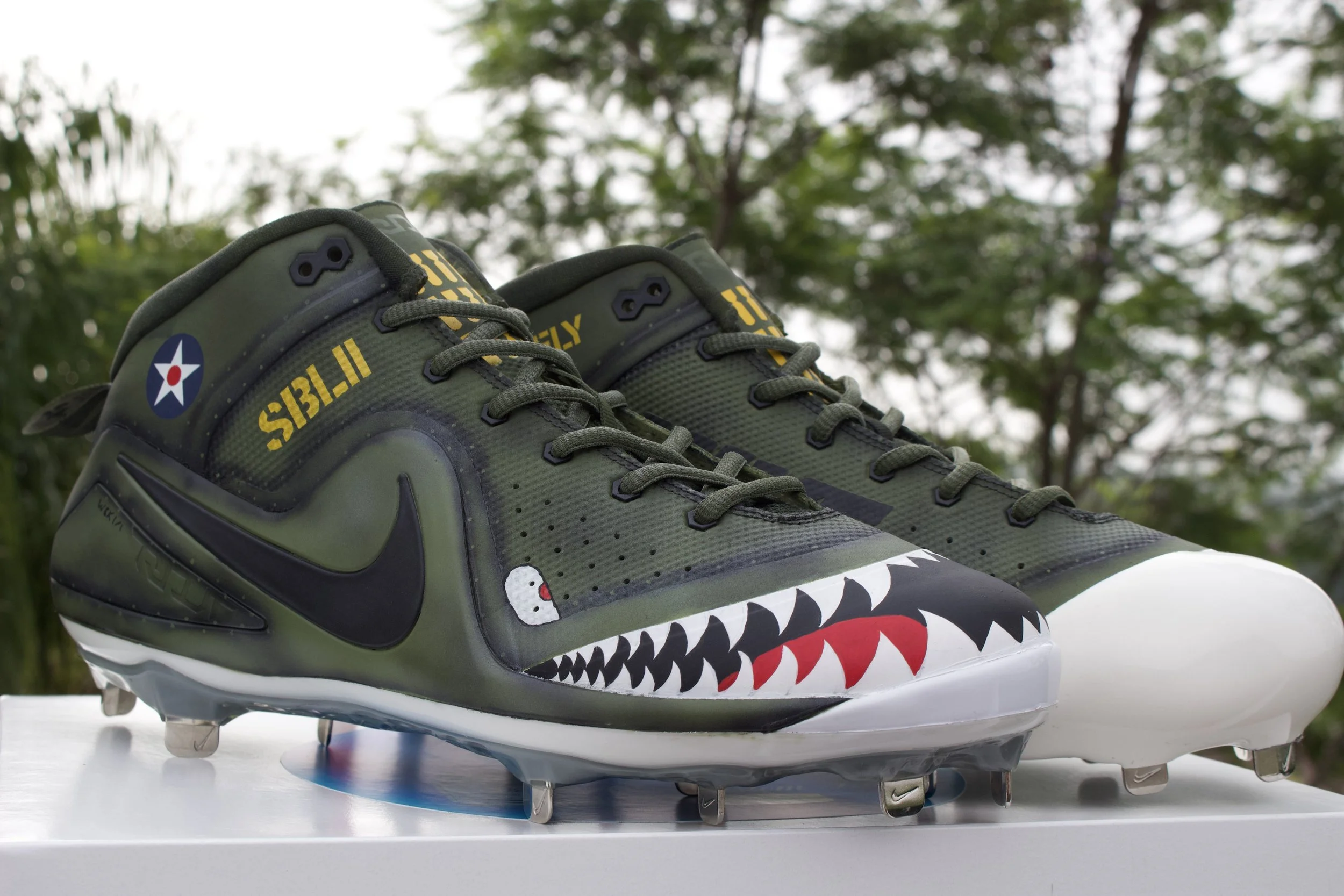
2017 was one of the most consequential in WCK’s history. March brought the World Baseball Classic and a number of pairs for Team Mexico and Team Australia, while July brought WCK’s first All-Star appearance as client Alex Wood donned his custom Nike Huarache LWP90s (the base model for which he procured on eBay because Nike had long since ceased production) and a partnership and live-streamed customization of a baseball glove at Easton Baseball HQ.
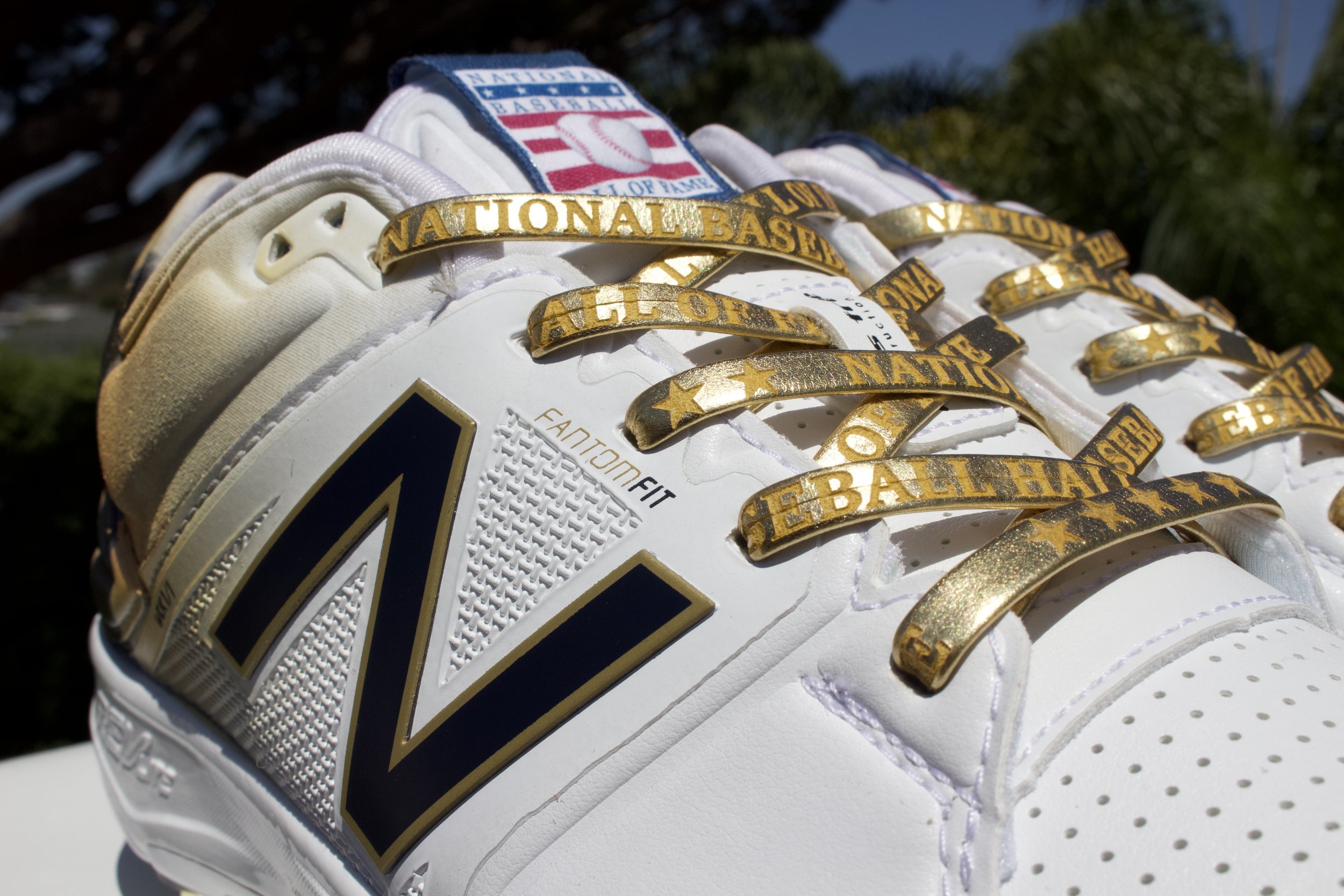
Also in July, WCK was commissioned by the National Baseball Hall of Fame to create a pair of custom cleats for their learning center to offer kids visiting Cooperstown an opportunity to get an up-close look at what kind of footwear big leaguers were wearing, a project generously supported by New Balance.
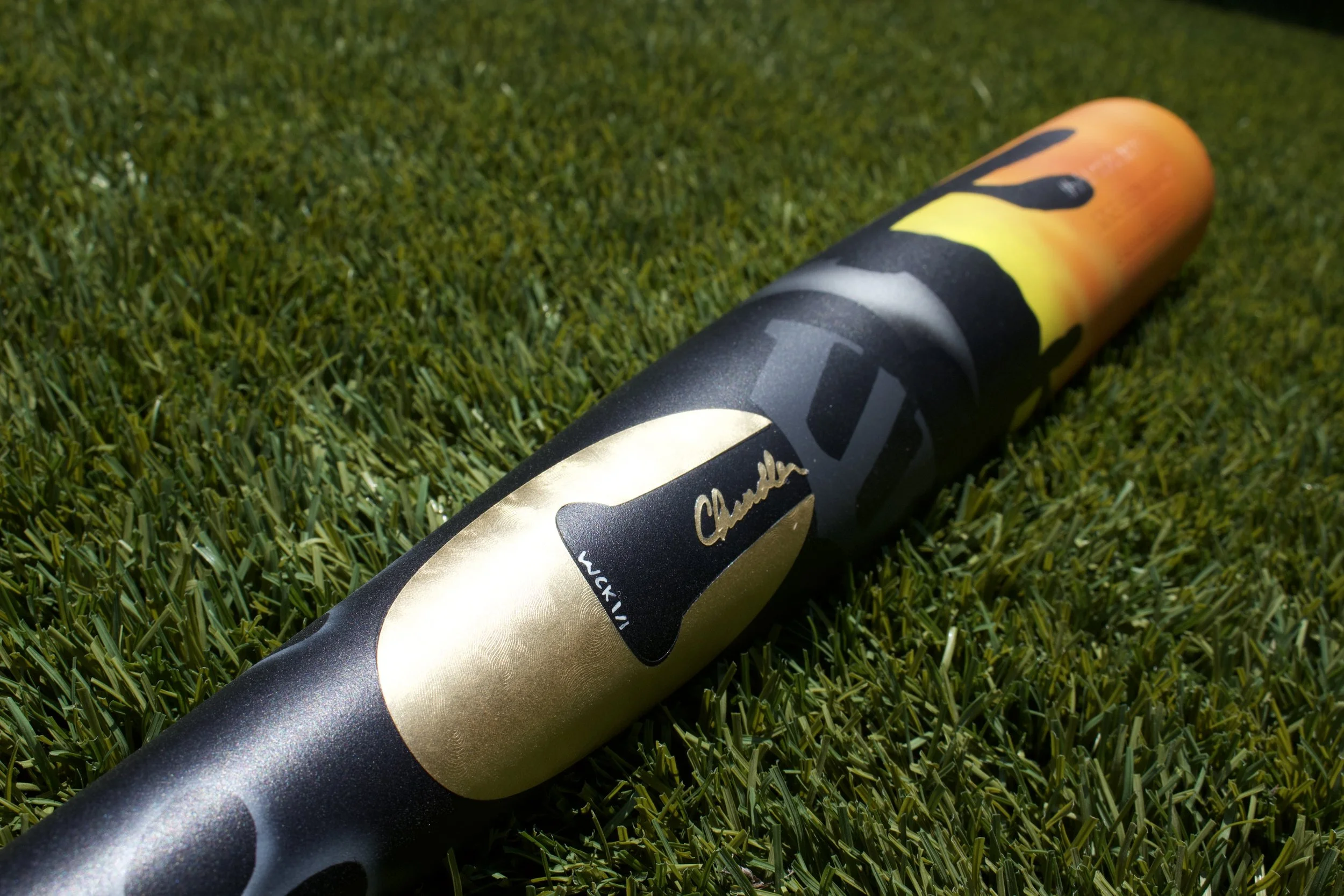
MLB’s inaugural Player’s Weekend in August of 2017 saw players around the league step onto the field in custom gear, highlighted by Kike Hernandez’ custom painted Chandler lumber (albeit not permitted by MLB for game use, explanation unclear). The 2017 World Series saw three WCK clients - Kike, Wood, and Yasmani Grandal - fall short in famous fashion.
The end of the 2017 MLB season presented an intentional slowing of Wes Custom Kicks, owing to my focus on my own journey towards the big leagues. There simply were not enough hours in the day to train at the level necessary to play at the collegiate and later professional levels while producing the volume of output that WCK was producing. Sacrifices had to be made, and given that WCK had only one other part-time employee (my mom drove me to the post office before I was able to drive), there was no other option than to limit orders.
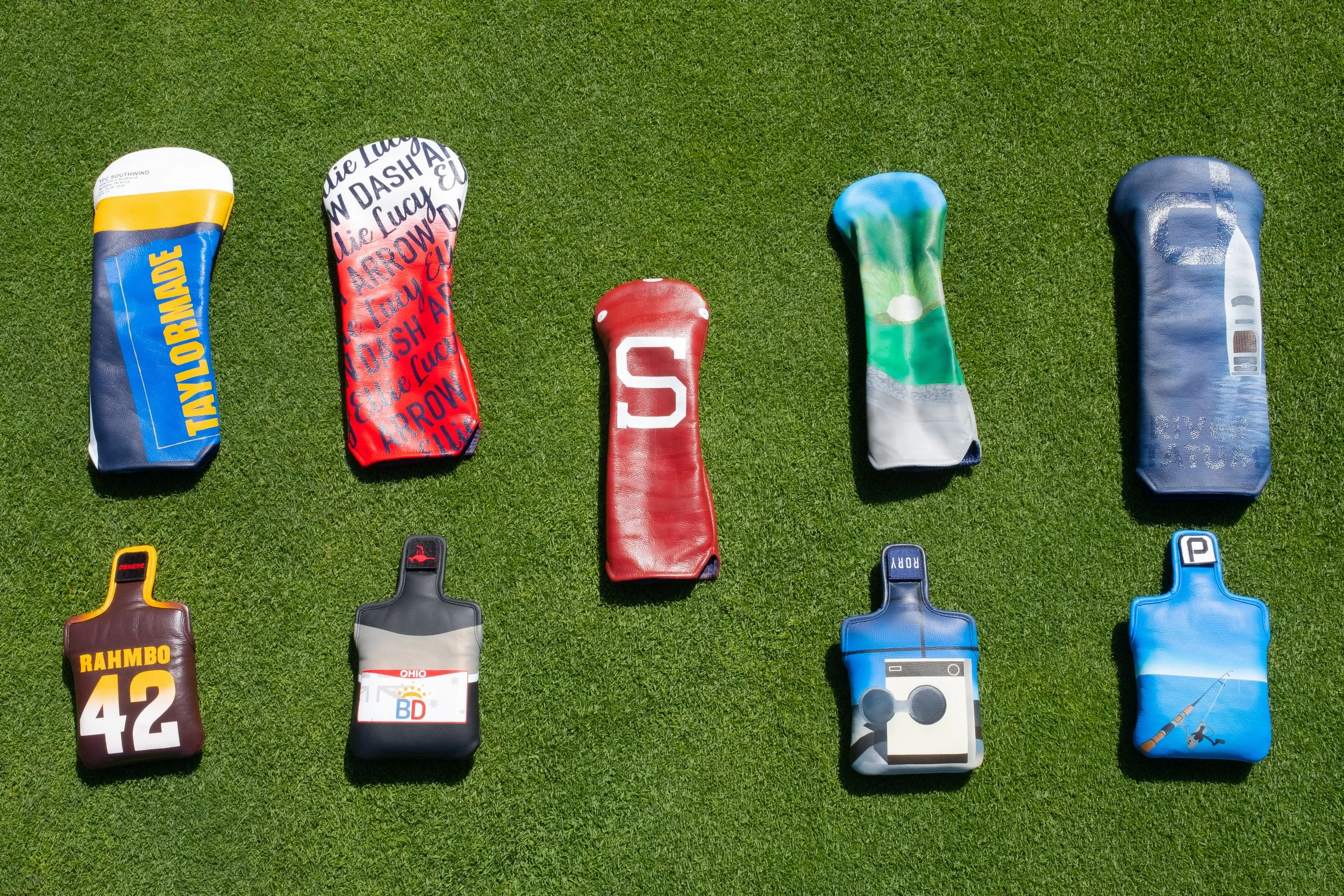
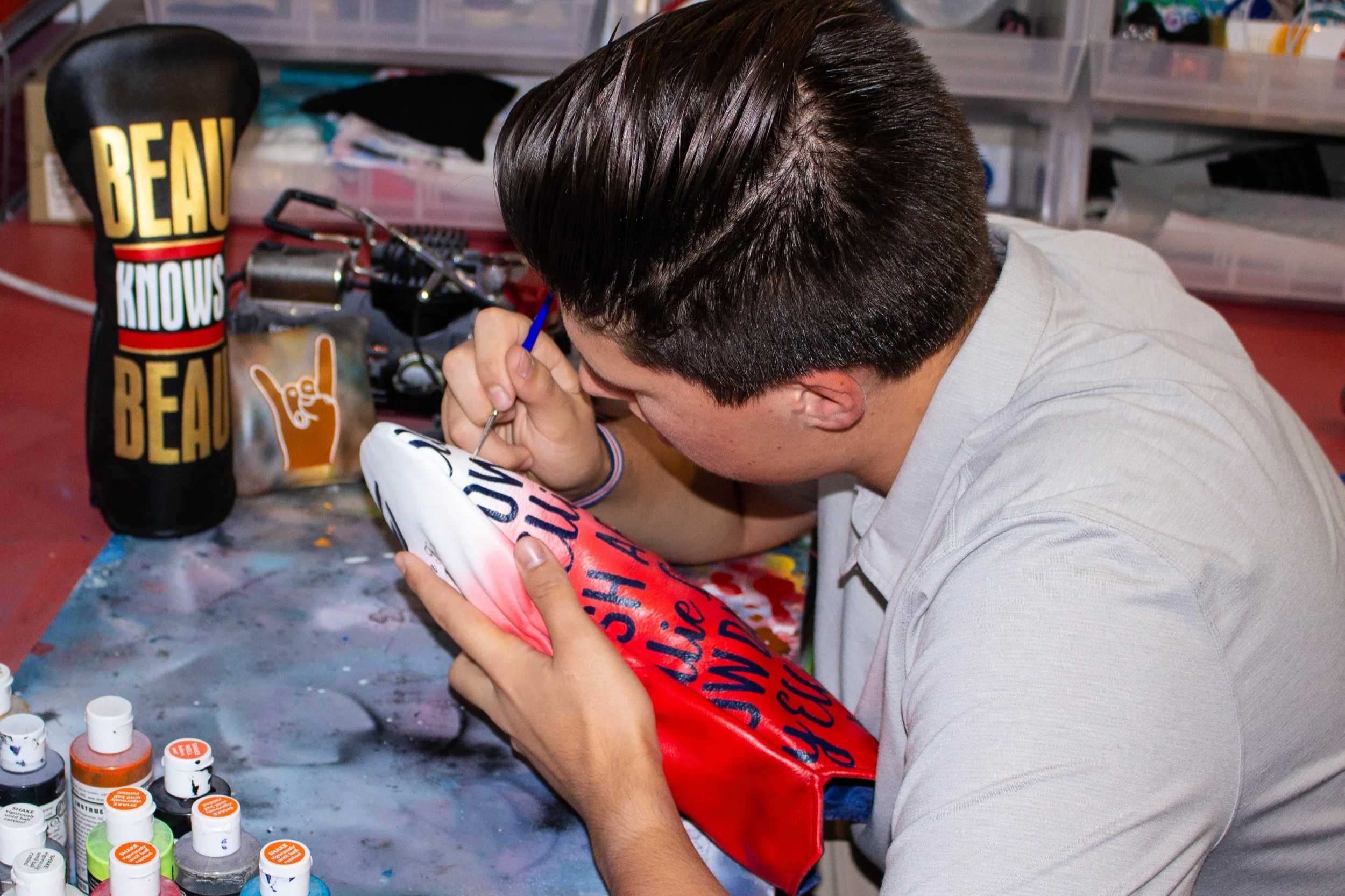
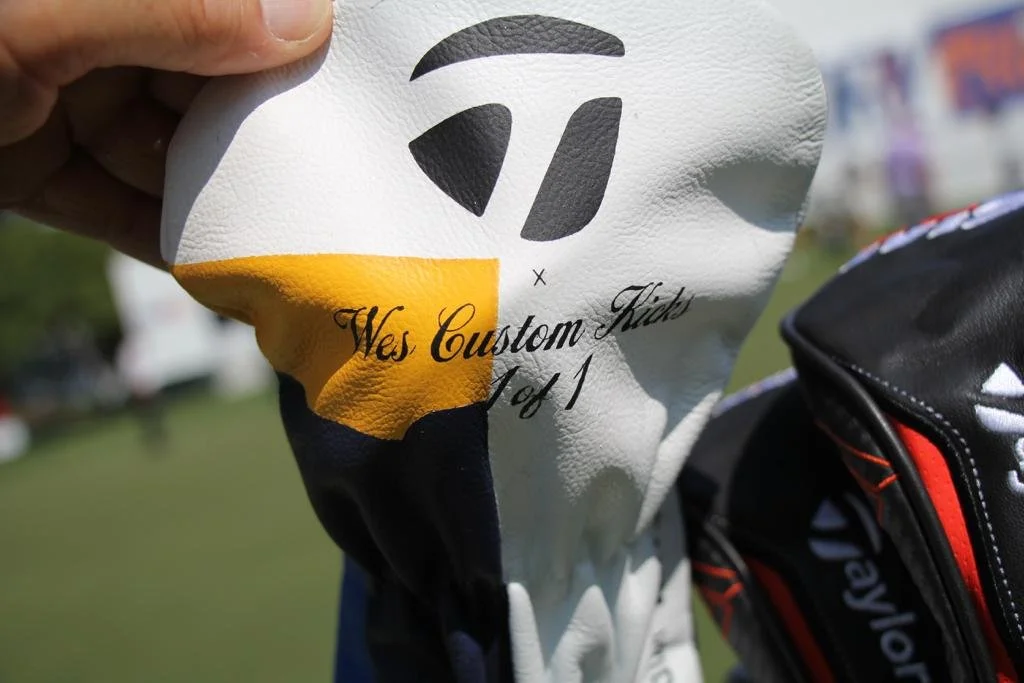
There was, however, still time for one last project, a partnership with TaylorMade Golf to create custom golf club headcovers for some of their premier PGA Tour athletes.
This collaboration, whose earliest kicking around dates back to mid-2017, was initially scoped to see WCK hand paint custom staff bags for each of Rory McIlroy, Jason Day, Dustin Johnson, Jon Rahm, and Beau Hossler, with delivery set for the 2019 US Open at Pebble Beach. Iteration saw that scope evolve to a driver and putter cover for each, with delivery pushed back to the WGC FedEx St. Jude Invitational in Memphis to align with my summer enrollment at Ole Miss, just an hour south of Memphis.
Weeks before delivery, with the initial batch having been so well received, the scope expanded:
“We want to include Tiger”
Yeah, that Tiger.
And so, a custom fairway wood cover depicting the famous Stanford baseball cap he donned in college, was born. The whole collection was delivered to the fellas on-site at TPC Southwind, closing the book on a project years in the making, and on WCK as a whole. Fitting to end a business journey such as WCK’s by creating a piece for arguably the greatest golfer of all time.
So what did my experience with Wes Custom Kicks teach me about building brands?
First and foremost, I created a great product. WCK wouldn’t have grown to what it was had the core offering, the art and the customization process, not provided great value.
But the real throughlines in the WCK story are opportunity identification and relationship cultivation and management. At critical junctures in the WCK arc, I identified opportunities to pivot (sneakers to cleats), to accelerate (custom sneaker contest), or both. Those opportunities required building the relationships necessary to leverage the opportunity, which brings me to my second takeaway - the principle of creating value before asking for value.
From TEB to Kike, I saw opportunities to create value for my clients before asking for compensation. I was confident in my product and the plausible strategic benefits that would subsequently be created, even if those benefits weren’t guaranteed. At those points in my business, while I was confident that my product was good, I hadn’t demonstrated that publicly, and so the opportunities that I desired called for me to demonstrate that value before seeing the returns.
One of the most important takeaways is the need to differentiate yourself and to build a story that other people want to tell and be a part of. When I started WCK, the biggest player in the space was Mache Customs. He was more experienced, it was his full-time job, and he had a team behind him. I wasn’t in a position to play that game, but even if I did, I’d lose every time.
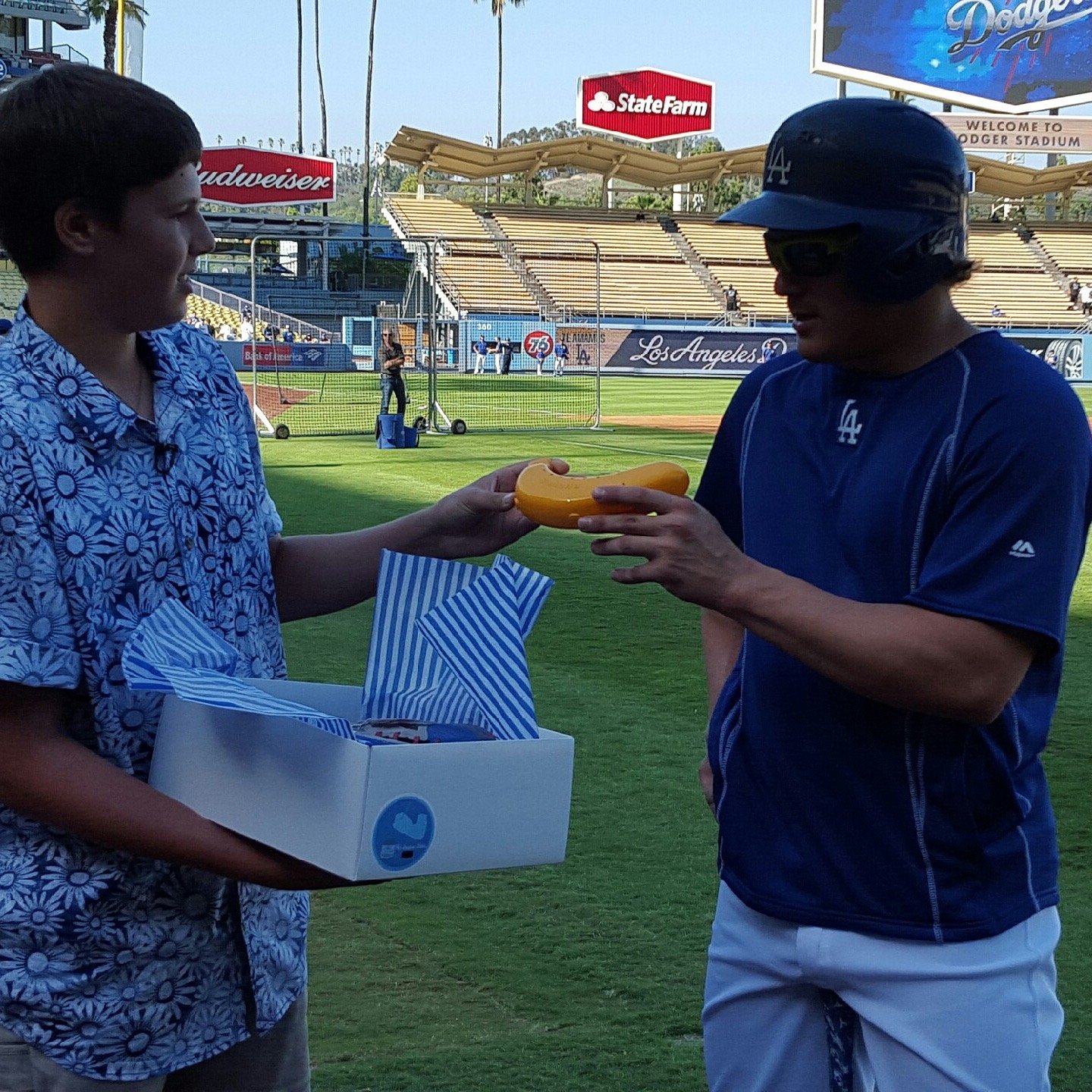
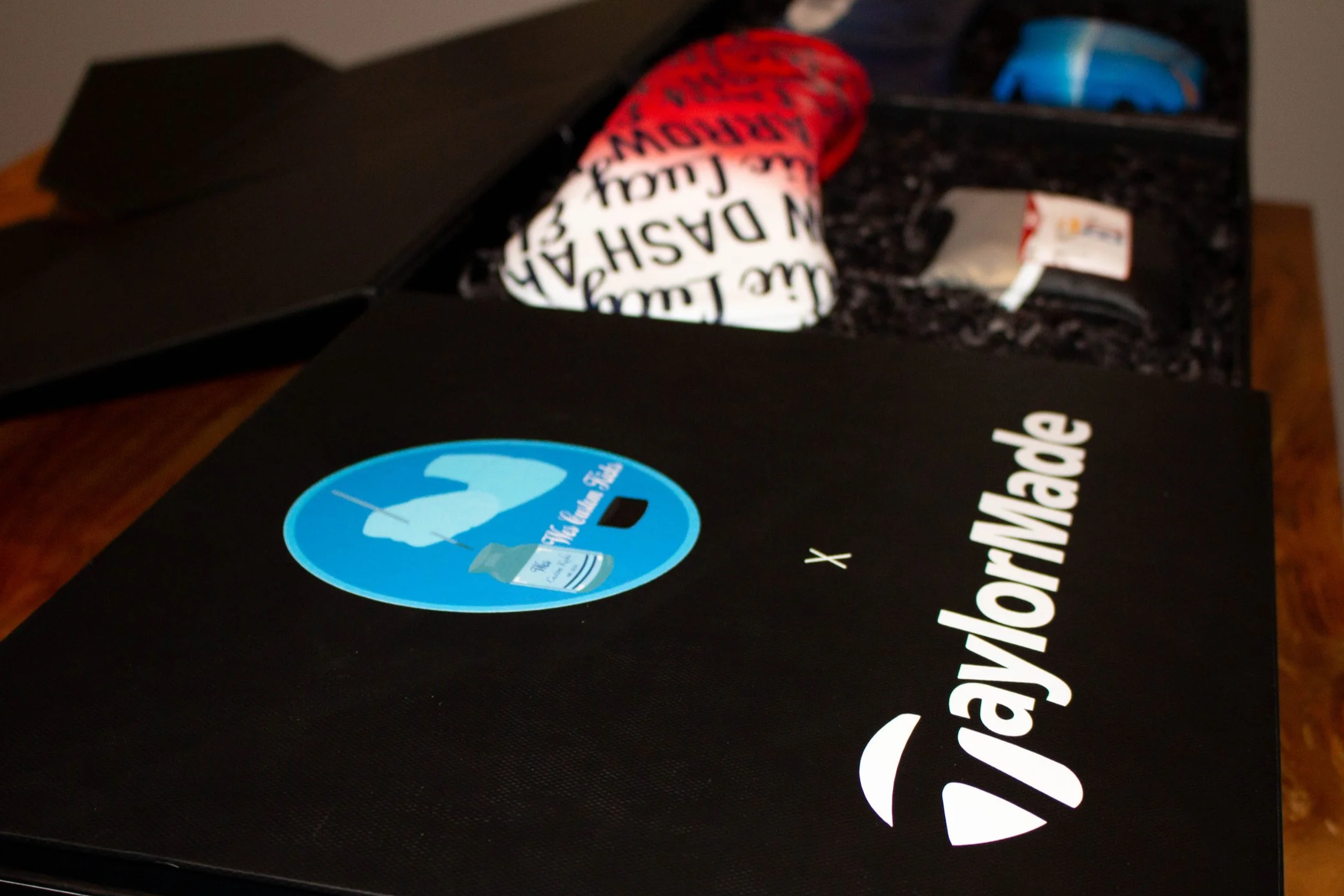
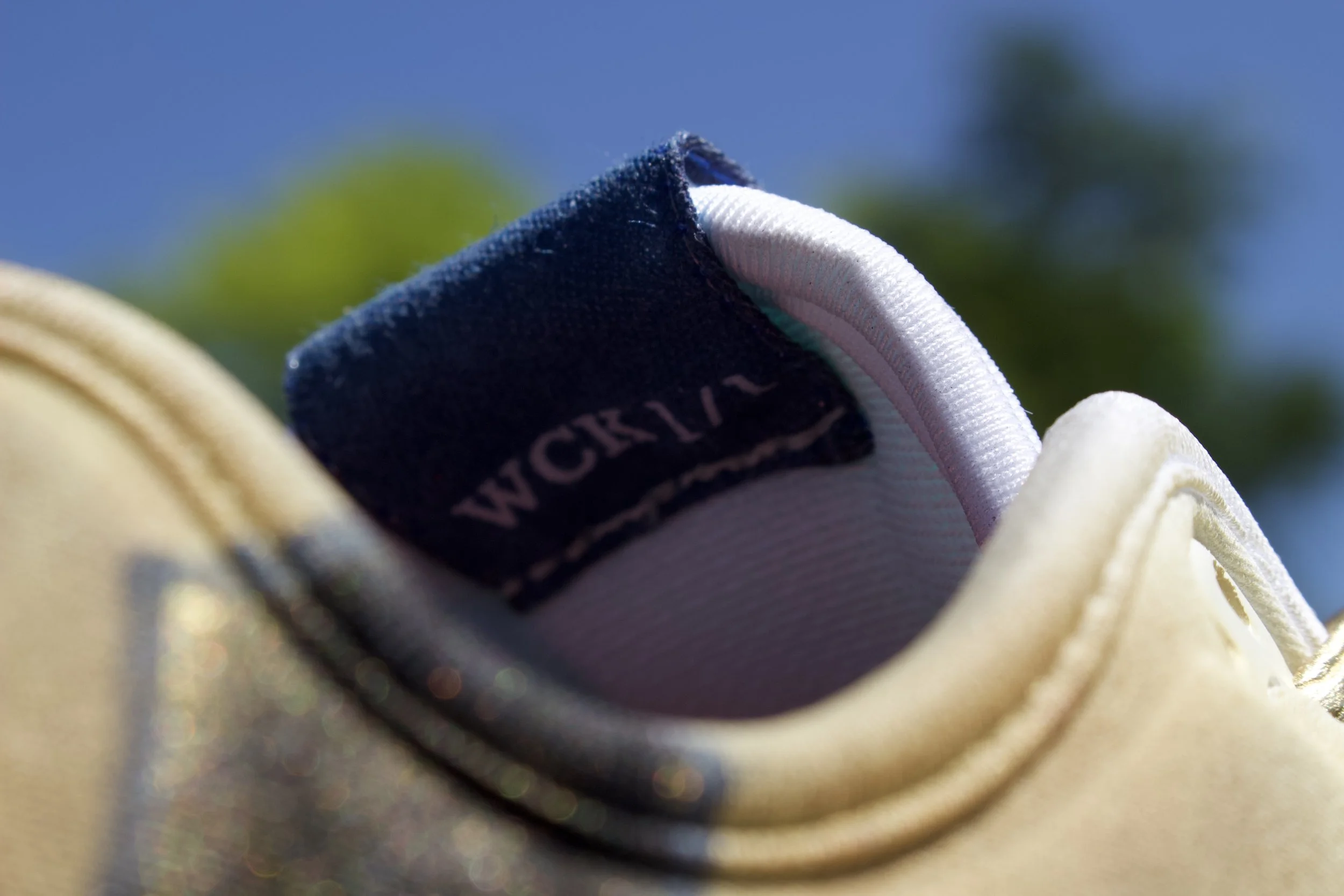
What I had was a story they couldn’t tell, and a client experience built around it. A middle and later high school kid painting shoes in his garage? That’s a cool story. And the shoes don’t show up in the generic shoebox I sent them in, but they show up in a custom WCK-branded shoe box? And frequently with personal touches? A personalized experience built on the relationship with the client.
WCK didn’t ascend to the level of being featured in the New York Times or growing to be one of the premier destinations for customized footwear in the professional sports world by implementing the same playbook as its competitors. Rather, WCK was built on telling a unique story and creating outsize value through the customer experience and quality of the product.
That translates.
